
Altcoins Are No Longer Naked - On-Chain Reserves Are Becoming the New Trend

#Altcoin #blockchain #ETH
In the past few years, when people talked about “altcoins,” two words likely popped into most investors’ minds: FOMO and speculation. From Dogecoin and Shiba Inu to countless new “fast-food coins,” most of these tokens had no real asset backing. Their success depended purely on hype and community enthusiasm — pump and dump was the name of the game.But recently, something significant has been quietly changing in the crypto market:
Altcoins are starting to put on pants.
What does that mean? It means that more and more altcoin project teams, public companies, and even institutions are starting to build on-chain reserve systems for their tokens, shifting toward more stable and long-term operational models. This shift might just be the most overlooked yet most powerful variable in the next bull run.
- Click to register SuperEx
- Click to download the SuperEx APP
- Click to enter SuperEx CMC
- Click to enter SuperEx DAO Academy — Space

On-Chain Reserves: No Longer Running Naked, They’re “Buying Assets”
Let’s begin with a few key developments:
1. Enterprises Now Hold Over $100 Billion in Crypto Assets!
Here’s an interesting data point: institutional holdings in crypto have surpassed $100 billion. The breakdown is as follows:
- BTC corporate holdings: $93 billion, nearly 4% of total BTC supply
- ETH corporate holdings: $4.1 billion
- New reserve assets include: SOL, XRP, BNB, and 10 other altcoins
Among them, the most eye-catching is MicroStrategy’s parent company Strategy, which sits at the top with $71.8 billion in BTC (including $28 billion in unrealized gains).
But what’s different this time is that non-BTC and non-ETH assets are entering corporate reserve portfolios in large numbers. This shows that altcoins are no longer just “high-volatility bets” — they’re gradually becoming part of mainstream capital allocations.
2. BNB Network Company Goes Big: $500M Funding, Altcoins Join the Big Leagues
CEA Industries announced a $500 million private raise and is rebranding as BNB Network Company. This transformation essentially places BNB in the spotlight of enterprise finance.
Notably, the funding round was led by prominent crypto firm YZi Labs, known for backing major Web3 infrastructure projects.
What does this mean? BNB is no longer just Binance’s “ecosystem fuel” — it’s becoming recognized as a systemically valuable digital asset. This kind of corporate restructuring + on-chain assets entering balance sheets signals a huge leap in credibility and risk resistance.
3. MEI Pharma Buys Nearly 1M LTC — Is Litecoin Becoming a Treasury Coin?
LTC has long been seen as a veteran altcoin, even dubbed the “King of Altcoins” at one point. You might wonder — why is LTC considered an altcoin? That’s because it cloned BTC’s model at launch and shares similar technical foundations. In fact, there’s an old saying in crypto: “Bitcoin is gold, Litecoin is silver.”
Although LTC is an “altcoin,” it has always had a mission — to improve upon Bitcoin. And it’s often praised as the “most successful Bitcoin algorithm improvement.”
But the biggest news this year isn’t technical. It’s this: MEI Pharma announced the purchase of 929,548 LTC, worth about $110 million, making it the first U.S. publicly listed company to hold LTC as a primary reserve asset.
Not only that, they partnered with LTC founder Charlie Lee and market maker GSR to launch a $100 million institutional treasury fund. In short: LTC is evolving from a legacy altcoin to an enterprise-grade reserve asset.
Why Are On-Chain Reserves Becoming Mainstream?
1) Demand for Stability Is Rising — Altcoins Must Prove They’re “Reliable”
In previous cycles, many projects used inflationary token issuance + airdrop hype to attract users — but lacked sustainable financial models. They pumped hard in bull markets and disappeared in bears.
What can on-chain reserves do?
✅ Boost token credibility: backed by real assets, the token price becomes more stable and less likely to go to zero
✅ Improve anti-cyclical resilience: can continue operating during bear markets
✅ Attract institutional investors: no one wants to invest in a project that collapses when the hype fades
Projects like LTC, BNB, and SOL are actively addressing this weakness by using real assets to enhance risk resistance.
2) Regulatory Pressure Is Forcing Projects to “Put Clothes On”
From the SEC to MiCA, global crypto regulation is tightening — especially around whether crypto assets are considered securities.
For many legacy altcoin projects, running “naked” is no longer worth the risk. It’s better to proactively build treasury systems, undergo audits, and maintain on-chain transparency.
Reserves become the project’s “compliance armor.”
3) Trends Like DePIN and RWA Require On-Chain Financial Infrastructure
Emerging sectors like RWA (Real World Assets) and DePIN (Decentralized Physical Infrastructure Networks) need heavy real-world investment — which requires strong treasury support.
Altcoins are becoming capital-intensive, meaning they need robust reserve and accounting systems — not just hype and memes.
What Can the LTC and BNB Cases Teach the Industry?
1. Top 20 Coins May Trigger a Treasury Arms Race
Driven by MEI Pharma and BNB Network, we can expect more blue-chip altcoins (e.g., ATOM, AVAX, FTM, ICP) to roll out enterprise reserve systems. Even if it’s just for show, they’ll need to “thicken the balance sheet.”
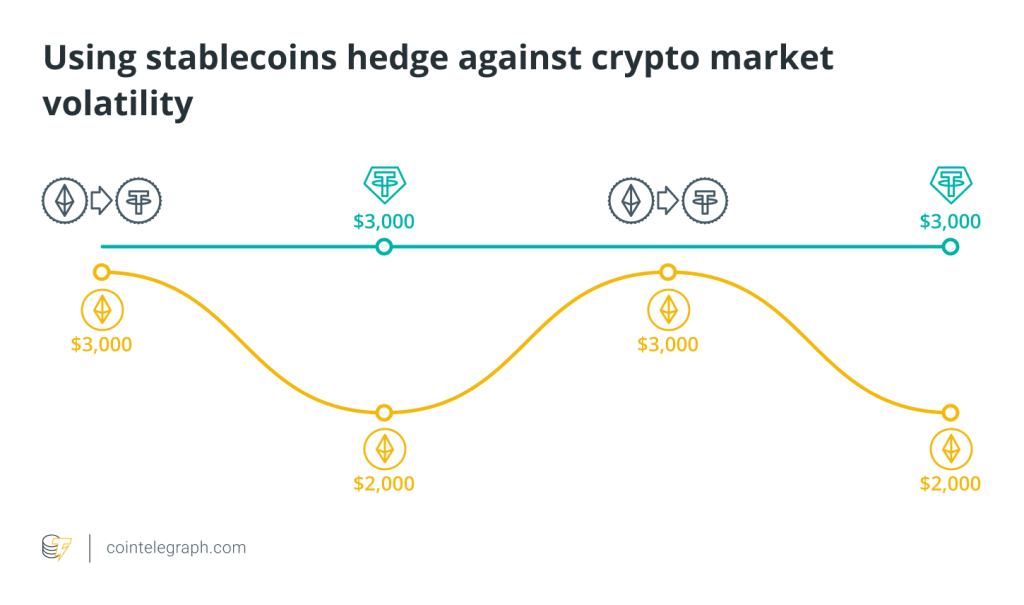
2. Stablecoins Could Face a New Competitor: Altcoin Reserves
If a token is backed by a corporate treasury, has transparent reports, and controlled volatility, could it be considered a “stable asset”?
This could be a future variant of the stablecoin model.
3. Investors Need to Learn How to Analyze On-Chain Reserves
In the future, investing in a project will require more than checking price, TVL, or community activity. You’ll also need to examine:
- Does the project hold on-chain reserves?
- What assets/currencies are in the reserves?
- Are there regular disclosures?
- Are the reserves audited by reputable firms?
These will become key parts of fundamental analysis.
Final Thoughts
The trend of on-chain altcoin reserves is just beginning. The underlying story is simple:
- Crypto is no longer just a gamble
- Enterprises and institutions demand stability and longevity
- Altcoins must now suit up and play the part
Altcoin value is no longer driven purely by hype — it’s built on on-chain credit systems. Sounds familiar?
It’s almost like a decentralized version of the gold standard.
And perhaps in the near future, we’ll no longer mock altcoins as “air coins,” but analyze their on-chain balance sheets the same way we study traditional corporate earnings reports.

Responses