
A Deep Dive into Bitcoin Investment Bills Across U.S. States: Institutional Breakthroughs and Future Impacts on the Crypto Market


Introduction: From Utah to Montana—The Accelerated Implementation of State-Level Bitcoin Strategies in the U.S.
In February 2025, the legislative processes surrounding Bitcoin investment saw a sudden acceleration across multiple U.S. states. Utah, Montana, Kentucky, Maryland, and others have successively proposed or passed bills allowing public funds to be allocated to Bitcoin and other high-market-cap cryptocurrencies. This trend not only signals the recognition of digital assets by local governments, but could also serve as a catalyst for institutional transformation in the global crypto market. This article will analyze the bills from three perspectives—details of the legislation, market impacts, and investment strategies—focusing on the cases of Utah and Montana, while exploring their long-term significance.
- Click to register SuperEx
- Click to download the SuperEx APP
- Click to enter SuperEx CMC
- Click to enter SuperEx DAO Academy — Space
Part 1: Core Bill Interpretation—Case Studies of Utah and Montana
-
Utah’s “Bitcoin Strategic Reserve” Bill
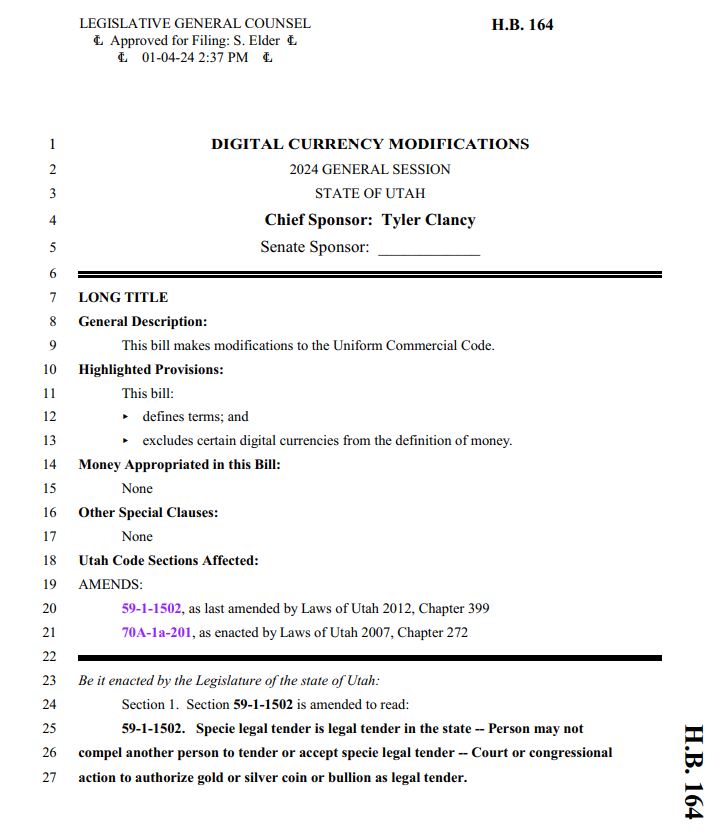
On January 28, 2025, the Utah House of Representatives passed the bill with an overwhelming 8-1 vote, allowing the state treasury to invest public funds in Bitcoin, cryptocurrencies with a market cap over $500 billion, and stablecoins. The bill has been submitted for Senate review and is drawing significant attention, given the 45-day window remaining for legislation.
Key Provisions:
- Investment Targets: Bitcoin as the core asset, complemented by high-market-cap cryptocurrencies (e.g., ETH, SOL) and compliant stablecoins (e.g., USDC, USDT).
- Funding Sources: Funds from the public “general fund” or specific budget allocations.
- Implementation Path: Holding through qualified custodians or Exchange-Traded Funds (ETFs) to ensure compliance and safety.
Political and Economic Motivations: Jordan Teuscher, Chair of the Utah House Economic Development Committee, stated that the bill aims to “hedge against the risk of dollar inflation and diversify reserves for future generations.” Dennis Porter, CEO of the Satoshi Action Fund, remarked, “Utah’s speed and political will in legislation surpass other states.”
Potential Impacts: If passed, Utah will become the first state in the U.S. to establish a Bitcoin reserve. Asset management firm VanEck predicts that if the compounded annual growth rates for U.S. government bonds and Bitcoin are 5% and 25%, respectively, the national debt could be reduced by 35% by 2049.
-
Montana’s “$50 Million Bitcoin Investment Authorization”
On February 9, 2025, Montana’s House Bill 429 was revealed, authorizing the state treasury to allocate up to $50 million from the general fund to invest in “digital assets with a market cap over $750 billion” (i.e., Bitcoin), with the requirement that the assets be held via qualified custodians or ETFs before July 15, 2025.
Highlights of the Bill:
- Threshold: Only assets with a market cap exceeding $750 billion are allowed, effectively making Bitcoin the sole compliant asset (current Bitcoin market cap is around $1.2 trillion).
- Risk Control: Clear custodial requirements to avoid risks like the FTX exchange collapse.
- Historical Background: In 2023, Montana passed SB-178, which recognized digital assets as personal property and prohibited taxation on payment-related transactions, laying the groundwork for a crypto-friendly policy.
Strategic Intent: Julian Fahrer, a former Sequoia Capital analyst, believes Montana is attempting a “limited yet clear” pilot investment to test the feasibility of public fund allocations to crypto assets, with plans to scale the initiative in the future.
Part 2: U.S. State-Level Legislation Landscape and Federal-Level Coordination
-
National Legislative Map
As of February 2025, 22 states have proposed or passed Bitcoin-related bills, which can be categorized into three groups:
- Radical States: Utah (passed in the House), Montana (bill clarified), Arizona (the only competitor nearing the legislative final stage).
- Cautious States: Kentucky, Maryland, etc., allow retirement funds to invest in crypto ETFs but restrict the use of Central Bank Digital Currencies (CBDCs).
- Watchful States: Florida, Alabama, etc., have expressed support but have yet to submit formal bills.
-
Coordination Between Federal and State Policies
Senator Cynthia Lummis’s proposed federal Bitcoin reserve bill plans to accumulate 1 million BTC (5% of the total supply) within five years. Funding will include the 198,100 BTC seized in asset forfeitures and gold reserves swapped for Bitcoin. While the bill still requires bipartisan support from 60 votes, state-level legislation is already providing practical examples for its potential implementation.
Part 3: Market Impact and Investment Strategies
-
Short-Term Market Reaction
- Price Support: State-level fund entry may create an “Institutional Buying 2.0” effect. Companies like Metaplanet have already achieved unrealized gains of 5.46 billion yen through increased BTC holdings.
- Surge in ETF Demand: Qualified custodial and ETF investment provisions favor compliant products from firms like BlackRock and Fidelity, lowering retail investors’ barriers to entry.
-
Long-Term Structural Changes
- Regulatory Framework Development: State-level bills are pushing institutions like the SEC and CFTC to clarify the classification of digital assets (securities/commodities/currencies).
- Sovereign Reserve Competition: If multiple states follow suit, Bitcoin may become a “digital gold” alternative, challenging U.S. dollar dominance.
-
Investor Strategy Recommendations
- Focus on Policy-Sensitive Assets: Bitcoin spot ETFs (e.g., IBIT), compliant custodians (e.g., Coinbase Custody).
- Avoid Risk Points: Altcoins with a market cap below the threshold, small funds lacking clear custodial provisions.
Part 4: Bitcoin Investment Trends from a Global Perspective
-
Sovereign Bitcoin Reserves Worldwide
- El Salvador: In 2021, El Salvador became the first country in the world to adopt Bitcoin as legal tender, currently holding about 2,381 BTC.
- Central African Republic: In 2022, passed a law recognizing Bitcoin as legal tender, but its implementation has been hindered by political instability.
- Russia: In 2023, proposed a bill to use Bitcoin for international trade settlements to circumvent Western sanctions.
-
Bitcoin Developments at International Financial Institutions
- JPMorgan: In 2024, launched a Bitcoin custodial service targeting institutional investors.
- Goldman Sachs: Plans to launch a Bitcoin derivatives trading platform in 2025, further expanding market participation.
Conclusion: A New Paradigm in the Crypto Market Through Institutional Breakthroughs The rapid deployment of state-level Bitcoin bills in the U.S. marks a transformation of crypto assets from “fringe speculative products” to “mainstream financial tools.” While short-term volatility remains inevitable, institutional recognition provides long-term market confidence. The key factors to watch in the future include Senate review progress, coordination between federal and state policies, and the follow-up actions of global sovereign institutions.




Responses