
LEARN BITCOIN RAINBOW CHART INDEX IN 3 MINUTES ——BLOCKCHAIN 101

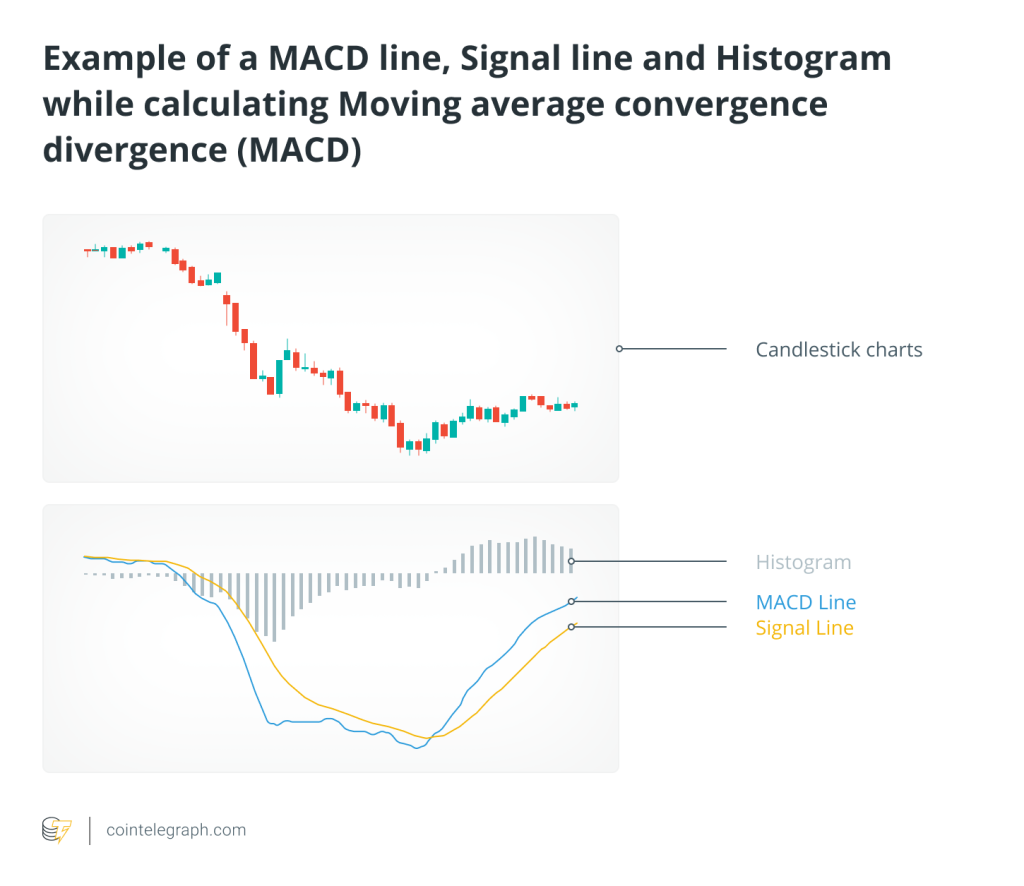
Let’s be honest—crypto charts can be intimidating. Candles, EMAs, Bollinger Bands… it’s a lot. That’s exactly why the Bitcoin Rainbow Chart became so popular. It simplifies everything into something visual and colorful. It doesn’t require you to be a technical analyst or a trader glued to five monitors.
With just one glance, even a beginner can get an idea of whether Bitcoin is “cheap,” “fair,” or in “bubble territory.” The rainbow colors act like emotional indicators—green means calm and smart, red means hype and danger. That’s the kind of visual intuition most people prefer over spreadsheets and chart patterns.
What makes it even more interesting is that it’s not trying to predict short-term price movements. It’s more about helping you understand where we are in the long-term Bitcoin cycle. That’s perfect for hodlers and long-term investors.
- Click to register SuperEx
- Click to download the SuperEx APP
- Click to enter SuperEx CMC
- Click to enter SuperEx DAO Academy — Space
Where Did the Rainbow Chart Come From?
It all started back in 2014 with a user on Bitcointalk named “Trolololo.” He applied a logarithmic regression model to Bitcoin’s historical prices and colored it with bands to represent general market moods. It was more of a fun experiment than a serious trading tool.
But it caught on. People loved the simplicity. Over time, developers and analysts started refining the model and color bands. Platforms like BlockchainCenter.net adopted it and turned it into the chart we know today. It’s been updated occasionally to keep up with Bitcoin’s new highs and extended cycles.
The chart’s staying power is a testament to how approachable and useful it is—even in a constantly changing market.
Real Use Cases for the Rainbow Chart
So who actually uses this thing? And how?
- Long-term holders:People who are in Bitcoin for 5–10 years often use the Rainbow Chart to decide when to add more BTC or take profits. They ignore the daily price noise and only make decisions when Bitcoin enters extreme bands like “Fire Sale” or “Maximum Bubble.”
- Meme traders: Surprisingly, some meme traders also reference it—mainly for the “vibes.” If we’re in the red zone, memes about “selling the top” explode. If we’re in blue, it’s all about “BUY THE DIP.”
- Crypto influencers and educators:Many YouTubers and analysts use the chart in their videos because it’s a simple way to explain complicated things like market cycles.
- Retail investors: For average crypto users who don’t follow markets daily, this chart offers a quick checkpoint—“Should I worry?” or “Is now a good time to buy?”
The Psychology Behind Each Color
The real power of the Rainbow Chart isn’t just in the math—it’s in the psychology. Each color taps into human emotions during different stages of the market.
Let’s break it down again with a psychological twist:
- Dark Blue (Fire Sale)– This is when everyone’s depressed. Bitcoin’s price might have crashed after a bear market, and media headlines say “Bitcoin is dead” again. But this is historically one of the best times to buy.
- Blue (BUY!)– Sentiment is still low, but things are stabilizing. Smart money starts entering again.
- Green (Accumulate) – Confidence slowly returns. You’ll see more influencers turning bullish. Quiet accumulation happens here.
- Yellow (HODL!)– Momentum builds. People start posting “we’re back!” tweets. Holders just ride the wave.
- Orange (Is this a bubble?)– Prices are climbing fast. New users are flooding in. Talk of Lambos and early retirement resumes.
- Red (FOMO) – Mainstream media starts talking about Bitcoin daily. Everyone’s buying. Even your Uber driver has a crypto portfolio.
- Dark Red (Bubble Territory)– Euphoria. New all-time highs daily. But historically, this is where the music stops soon after.
How Reliable Is the Rainbow Chart?
Let’s be clear: it’s not magic. The Rainbow Chart doesn’t predict exact tops or bottoms. It’s based on past data and smooths out volatility. That means it can give a good range, but not an exact price.
Also, it doesn’t take into account:
- Macro events like wars or pandemics
- Regulatory decisions from governments
- Black swan events like exchange hacks or ETF approvals
That said, despite its limitations, the Rainbow Chart has surprisingly captured the broad picture pretty well over Bitcoin’s 14-year history. Every time Bitcoin hits the red zone, a correction has followed. Every time it dips into blue, it’s followed by a major rally—eventually.
Rainbow Chart vs. Other Indicators
Let’s say you’re building your crypto toolbox. Should you rely on the Rainbow Chart alone? Nope. It works best when combined with:
- Relative Strength Index (RSI) – To check if BTC is overbought/oversold in the short term.
- On-chain metrics– Like NVT ratio, to analyze network health.
- Fundamental news– Like ETF approvals, mining halving dates, or adoption trends.
Think of the Rainbow Chart as your macro trend filter. It doesn’t care what happens this week—but it helps you understand what phase we’re in across months and years.
Final Take: Should You Trust It?
If you’re someone who likes to zoom out and avoid the FOMO or panic headlines, the Bitcoin Rainbow Chart can be your best friend.
Here’s what to remember:
- It helps visualize long-term cycles
- It’s beginner-friendly and easy to interpret
- It can guide your mindset—when to stay calm or cautious
But:
- Don’t use it for short-term trades
- Always pair it with other tools
- Past performance ≠ future guarantee
So, is it perfect? No. But in a crypto world full of hype, noise, and confusing charts, the Rainbow Chart offers a breath of fresh air. Sometimes, a little color is all you need to see the big picture.


Responses