
SuperEx Guide: P2P Trading Introduction(I)

#SuperEx #Guide #P2P
This guide is extremely valuable for anyone new to buying tokens such as USDT. Rather than simply explaining what SuperEx P2P is or listing its advantages — which doesn’t really help users — this guide is written from the user’s perspective, addressing their real needs and helping them understand the process in a practical way.
For many first-time users, P2P crypto trading can feel a little intimidating:
- “Am I really sending money directly to another person?”
- “What if the seller does not release the crypto?”
- “Why can’t I withdraw immediately after buying?”
Take it easy.
P2P is not magic, and it is not a race to click faster than everyone else. Think of SuperEx P2P as a flexible local crypto marketplace where buyers and sellers trade directly, while the platform provides order matching, asset escrow, KYC risk control, and appeal support.
What Exactly Is SuperEx P2P?
As I’ve said before, I won’t bore you with textbook definitions. However, no matter what, everyone still needs to understand what SuperEx P2P is — that’s the foundation before we go any further.
P2P trading is a peer-to-peer based decentralized trading method, using P2P trading will skip intermediaries or third parties and sell/buy cryptocurrencies directly between users.
SuperEx P2P trading is launched to help SuperEx users can more easily and quickly control the process and details of the transaction. Through SuperEx P2P trading you can clearly control and filter the buyer or seller situation, while pricing and settlement time are within the control of both sides of the transaction.
The SuperEx P2P trading platform helps users and merchants to avoid risks by securing transactions between buyers and sellers through a margin system and a risk control system. For example: If you buy coins in a transaction and the seller does not release them after paying, we will ask the merchant home to process them, and the merchant cannot release the merchant release margin without processing the order, which effectively secures the buyer’s normal transaction.
For P2P transactions that do not go through the SuperEx P2P trading platform (or similar platforms), there are still transaction risks. Imagine that when you have an appointment with a buyer on the Internet for a BTC transaction, are you worried that the other party will take the BTC and run away and refuse to pay? At this time, both sides of the transaction will have such concerns, making the transaction can not be carried out properly, this is the risk of P2P transactions. At this time, we need SuperEx P2P trading platform to restrain and protect both sides of the transaction.
SuperEx P2P Trading Platform is a platform launched in collaboration with a third-party platform that allows crypto market participants to trade directly with each other. This means that there are no transactions involved in the SuperEx P2P trading platform and that transactions are only between buyers and sellers with minimal or zero involvement of any third party intermediaries.
When Should You Use SuperEx P2P?
SuperEx P2P is especially useful when you want to buy digital assets such as USDT or BTC with local fiat currency, or sell your USDT and receive local fiat in return.
It is useful when you want to pay with familiar local payment methods, compare offers from multiple merchants, choose a flexible trading amount, or avoid moving funds across several different platforms.
The real value of P2P is not that it sounds advanced. It makes crypto buying feel closer to everyday payment: check the offer, choose a merchant, place an order, pay, and receive crypto. The steps are clear, and so are the responsibilities.
Before Buying Crypto, Complete These Three Things
First, complete identity verification. According to SuperEx official materials, users need to complete identity verification before using P2P products and services, helping reduce trading disputes and account security risks.
Second, set your P2P nickname. First-time P2P users need to create a nickname, and it must be unique. Choose it carefully instead of typing something random that you may regret later.
Third, add a valid payment method. Since P2P involves fiat payments between users, you should add a real, usable payment method that matches your identity information.
In short: prepare your identity verification, nickname, and payment method before choosing an order in the market.
As a side note, SuperEx only requires KYC for P2P transactions, and that’s primarily to ensure the security of users’ funds.
How to Buy Crypto Through SuperEx P2P
The buying process can be broken down into eight steps:
- log in to SuperEx and enter the P2P page;
- complete KYC;
- set your nickname and add a payment method;
- choose the asset you want to buy, such as USDT or BTC;
- select fiat currency, payment method, and a suitable merchant offer;
- enter the purchase amount or quantity;
- complete payment within the order time limit;
- then click “I have paid” and wait for the seller to release the assets.
Here is one very important rule: do not click “I have paid” unless you have actually paid.
P2P is not a “click first and see what happens” kind of product. Every action should match a real step. Pay first, confirm after payment, then wait for the crypto release.
How to Sell Crypto
Selling works in the opposite direction. If you want to sell USDT for local fiat, first make sure your assets are available in the account used for P2P. Then enter the P2P selling section, choose a buyer or merchant offer, enter the amount, and create the order.
The most important rule when selling is: do not release crypto before confirming receipt of payment.
Sellers should check three things carefully: whether the received amount matches the order; whether the payer’s name matches the verified identity; and whether the counterparty is trying to move the conversation or deal outside the platform.
When Choosing a Merchant, Don’t Look Only at Price
Many beginners enter the P2P market and immediately think: buy from the cheapest seller, sell to the highest buyer. That is understandable, but it is not enough.
A smarter approach is to check price, limits, payment method, and trading performance together. The price should be reasonable, the order limit should match your intended amount, the payment method should be familiar and usable, and trading performance can help you judge whether the counterparty is reliable.
In short: a good P2P order means a good price, suitable limits, familiar payment methods, and stable trading performance.
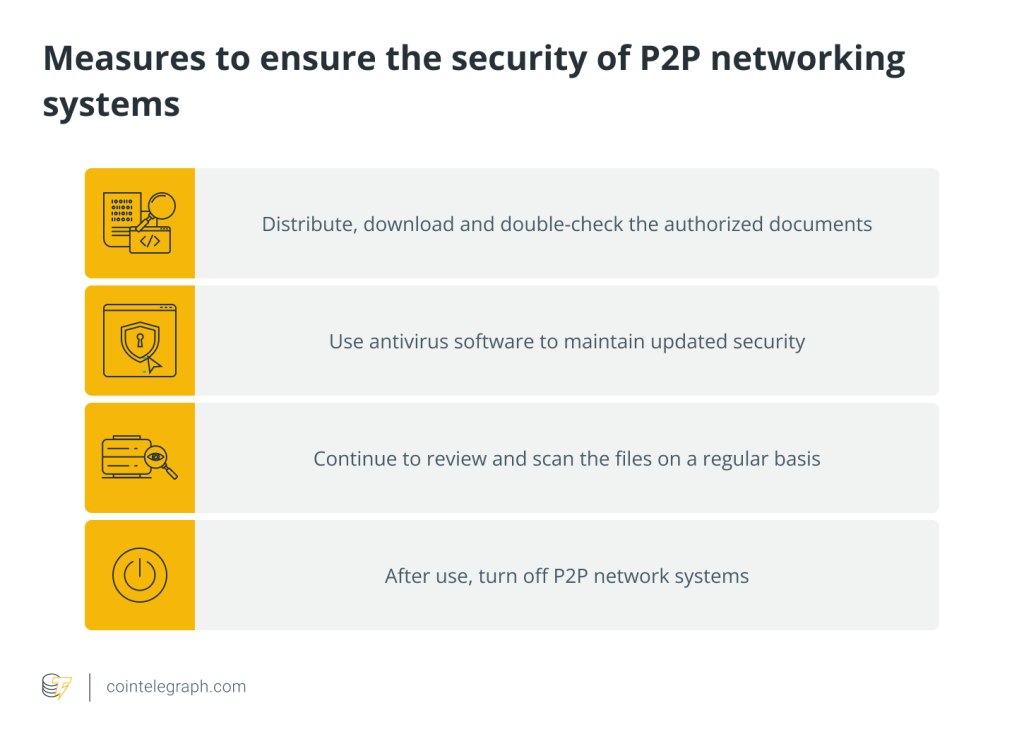
Several Things You Should Never Do in P2P Trading
- Do not use a payment account that is not under your own verified name.
- Do not click “I have paid” before making the payment.
- Do not release crypto before confirming that payment has arrived.
- Do not write sensitive words such as BTC, USDT, crypto, or buy coins in the transfer note.
- Do not leave the SuperEx P2P order chat to trade privately.
- Do not cancel an order casually after payment has already been made.
- Do not lend your account to others for P2P trading.
The biggest risk in P2P is not complexity. It is carelessness. Many disputes do not happen because users do not understand the steps, but because they think “close enough” is good enough. In P2P, close enough is often not enough.
Conclusion: P2P Trading Is Not About Courage. It Is About Details.
People who truly know how to use P2P are not the ones who place orders the fastest. They are the ones who verify every step carefully.
When buying, check the merchant, limits, payment method, and order time. After payment, click “I have paid” promptly. When selling, release crypto only after confirming receipt of payment. If a dispute happens, do not solve it privately; use the platform appeal process. If something feels unusual, do not chase a suspicious bargain, do not leave the platform, and do not trade on behalf of others.
The value of SuperEx P2P is that it helps users connect local fiat currency with the crypto world in a more familiar way. But even the best tool needs to be used correctly.
If this is your first time using P2P, remember one sentence: A slower confirmation is often safer than a faster order.

@2x-1024x576.png)
Responses